
The SEA Index, developed by the Yacht Club de Monaco under the “Monaco, Capital of Advanced Yachting” initiative, is extending its environmental assessment methodology to a far wider segment of the pleasure boat market, marking a significant expansion for a tool already recognised internationally for its rigorous approach to measuring CO2 emissions in yacht design.
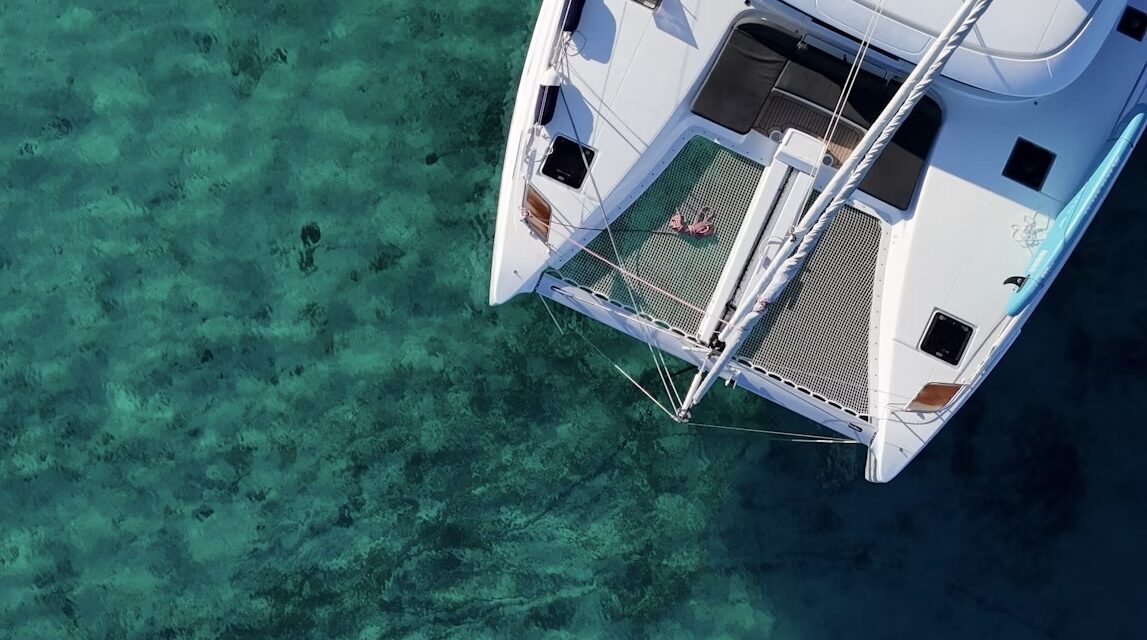
Already certifying more than 130 yachts over 24 metres, the SEA Index has become a benchmark for assessing environmental performance across the yachting sector. Working in collaboration with Lloyd’s Register, the tool has now developed new benchmark models covering displacement, semi-displacement and planing monohulls, as well as production catamarans up to 35 metres in length. These new models draw on an extensive dataset aligned with international maritime energy efficiency standards, allowing boats to be measured against benchmarks tailored to their specific design and operational characteristics, keeping assessments consistent and objectively comparable.
The broader scope opens the certification framework to a much wider range of stakeholders. Shipyards and boat builders can now factor environmental considerations into vessels from the earliest design stages, owners and buyers gain access to clear, reliable emissions data regardless of a boat’s size, and ports, marinas and financial institutions can apply consistent environmental criteria across the recreational boating sector as a whole.
Bernard d’Alessandri, President of the SEA Index and General Secretary of the Yacht Club de Monaco, described the expansion as a major milestone for both the SEA Index and the wider nautical industry, noting that applying the methodology to recreational boats from 10 metres upward, including production boats and catamarans, makes environmental assessment more inclusive and accessible, with the ultimate goal of establishing a credible, transparent framework to support environmental improvement across the global recreational fleet.
Dr Chris Craddock, Global Lead for Marine Asset and Operational Performance at Lloyd’s Register, added that the methodology had been refined to reflect the diverse operational profiles of production yachts and superyachts alike, along with the significant differences in hydrodynamic performance driven by different hull shapes and speed ranges. By benchmarking vessels against specific reference curves developed in line with IMO decarbonisation measures, he said the SEA Index now offers a fair, transparent and internationally consistent framework for assessing environmental performance across the entire yachting sector.
The expansion consolidates the SEA Index’s position as a global benchmark for environmental assessment, extending its reach beyond superyachts to the broader yacht market and helping generate more comparable, verified emissions data across the industry. The tool already supports an international network that includes yacht owners and captains, 25 marinas and ports across the Mediterranean, the Seychelles and Saint-Barthélemy, and 87 marinas belonging to the Japan Marina & Beach Association, alongside a wider network of banks, insurers, shipyards and technology companies operating across the maritime sector.