
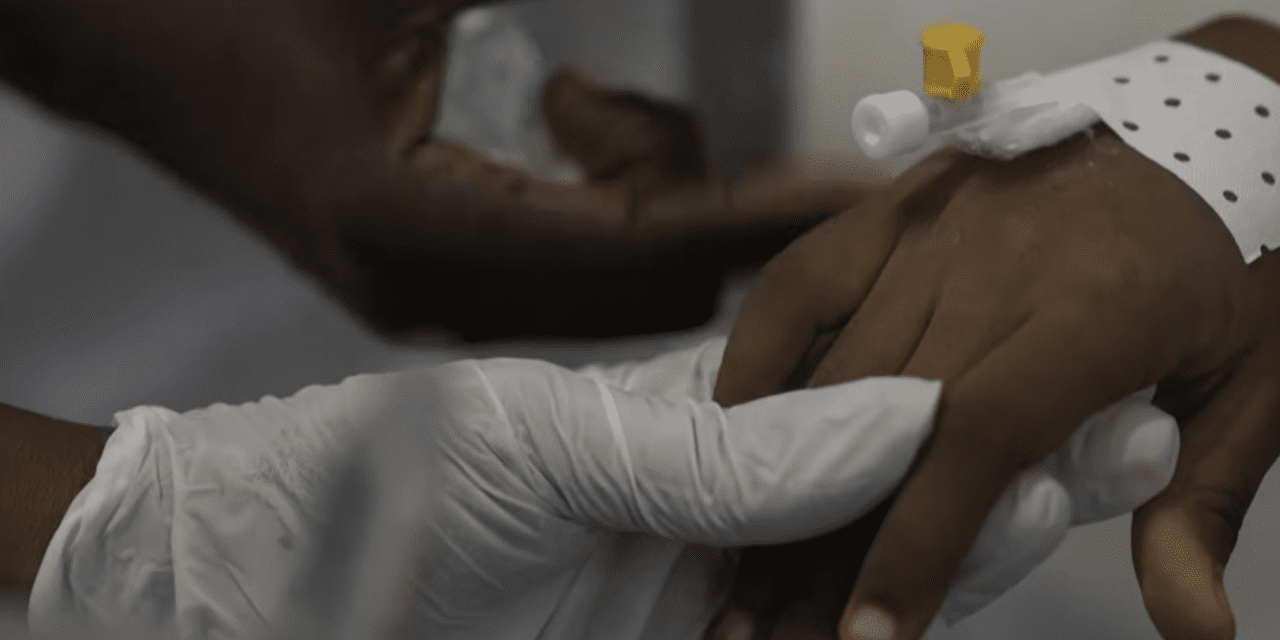
Monaco is reinforcing its long-standing commitment to tackling sickle cell disease, a little-known but widespread genetic condition affecting an estimated 120 million people worldwide…
Particularly prevalent in Africa, the disease remains a major public health challenge in countries such as Senegal, where around 10 percent of the population carries the gene and approximately 2,000 children are born with the condition each year. Characterised by severe pain, chronic anaemia and heightened vulnerability to infections, sickle cell disease requires early diagnosis and ongoing care.
For more than a decade, the Principality has played a key role in improving treatment and awareness. In 2017, Monaco supported the creation of a specialised outpatient unit for children and adolescents in Dakar’s Albert Royer Hospital, now recognised as a leading centre for care. The facility treats around 5,000 young patients annually and has helped train dozens of medical and paramedical professionals.
Beyond treatment, efforts have focused on prevention, community education and early screening, particularly at birth—an essential step in improving outcomes. Expanding these initiatives remains a priority, as misconceptions about the disease still persist in some communities.
Since 2007, Monaco has allocated nearly €7 million to programmes combating sickle cell disease across six African countries, underlining a sustained and impactful commitment to global health.
Image: Monaco Info