
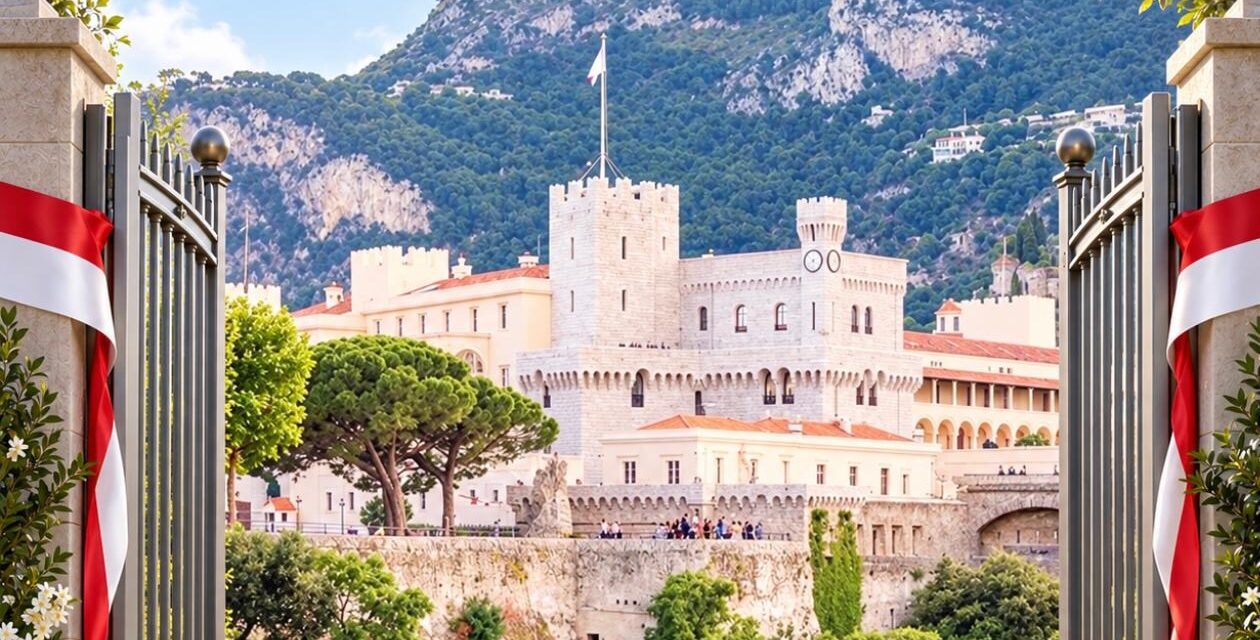
Monaco is among several nations poised to exit the Financial Action Task Force’s dirty-money watchlist next month, according to Bloomberg, marking a significant change in fortune for a city-state home to the world’s highest concentration of millionaires and billionaires.
Bulgaria and Ivory Coast are also expected to come off the FATF’s so-called grey list, according to people familiar with the deliberations who spoke to Bloomberg on condition of anonymity, given the private nature of the discussions. The official outcome won’t be confirmed until the final day of the FATF’s next plenary session, held in Paris on October 30, and no final decision has yet been made.
Monaco was placed on the grey list in June 2024, bringing heightened international scrutiny over shortcomings in its efforts to tackle illicit financial flows. Since then, officials at the Paris-based watchdog have recognised significant progress, according to Bloomberg’s sources. That assessment builds on a favourable review as far back as June 2025, when the FATF and the Council of Europe’s MONEYVAL monitoring body acknowledged that Monaco had largely addressed the deficiencies originally identified, with roughly 80 percent of the issues flagged by MONEYVAL resolved even before that point.
The Principality’s path off the list has involved a sweeping programme of legislative, regulatory and operational reform, and has also included visible enforcement action. Earlier this year, Monaco’s anti-money laundering watchdog fined UBS €6 million over a range of compliance failings, with a separate €1 million penalty later issued against another bank operating in the Principality, Havilland, since renamed Moncrief Private Bank.
Monaco’s expected delisting comes at a notably difficult moment for the Principality more broadly, still reeling from the late-June bombing targeting a Ukrainian-born businessman on Monégasque soil, an attack that triggered a large-scale international manhunt. The October plenary will also mark the first held under the presidency of British official Giles Thomson, who has placed particular emphasis on combating fraud, including so-called scam compounds, since taking on the role in July.
Bulgaria’s own expected exit follows a similar trajectory, having been placed on the list in October 2023 amid negotiations over its eurozone accession, with Bulgarian Prime Minister Rumen Radev meeting FATF representatives in early September to discuss the country’s progress. The Democratic Republic of the Congo, meanwhile, was separately judged in June to have substantially completed its own action plan, though the FATF said the timing of any on-site assessment there would depend on whether such a visit could be conducted safely given the country’s public health situation.
Removal from the grey list is not automatic, even once a jurisdiction completes its action plan. The FATF requires confirmation that reforms are being implemented effectively, are sustainable, and continue to carry high-level political backing, typically following an on-site assessment, before a final decision is made at plenary level.