
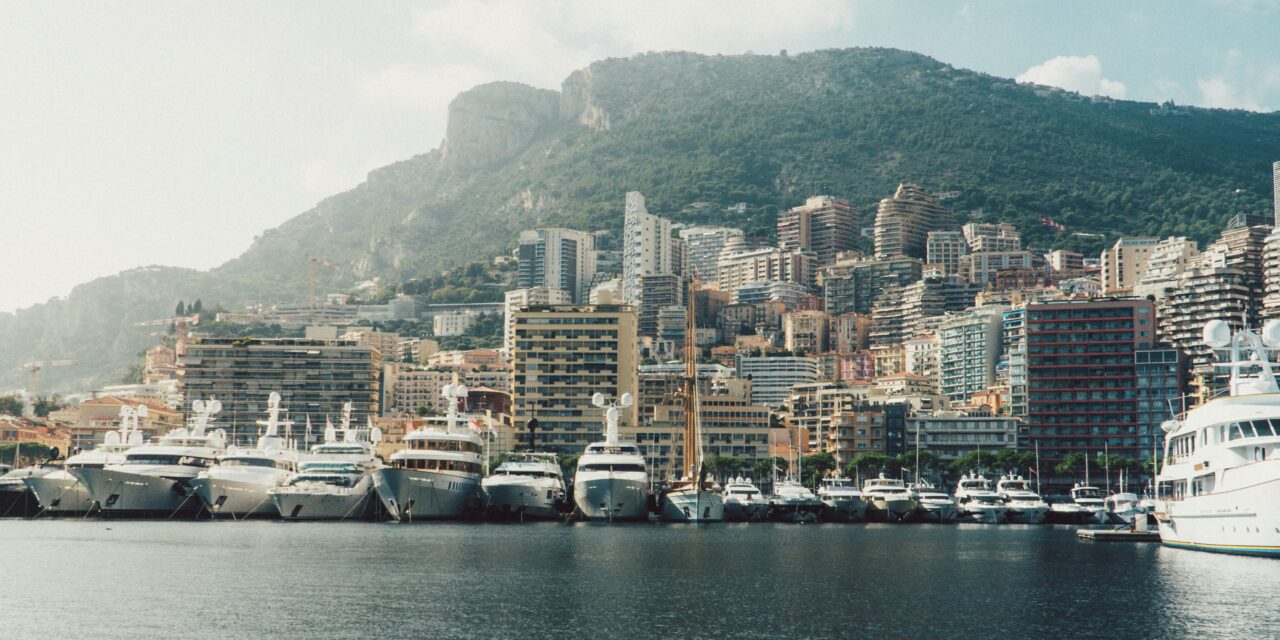
Plans for the UK’s new “mansion tax” could end up sending a fresh wave of wealthy British nationals toward Monaco, as homeowners face the prospect of government inspectors gaining the power to enter their properties to assess their value.
According to The Telegraph, Andy Burnham is preparing to send what the paper describes as “mansion tax police” into British homes, with HMRC valuation agents given the authority to demand entry to properties in order to determine whether they exceed the £2 million threshold that triggers the new levy. Homeowners who refuse entry to an inspector would be committing a criminal offence, punishable by a fine of up to £200, a measure critics have branded a “sinister assault on civil liberties.”
The levy itself, unveiled by former Chancellor Rachel Reeves at last year’s Budget, will apply an additional annual charge of between £2,500 and £7,500 to properties valued above £2 million, with London and the South East expected to bear the brunt of the policy, alongside a number of affluent rural areas across the country.
Good Morning Monaco ☀️
The day's Monaco news in your inbox every morning. Free, unsubscribe anytime.
Government ministers have now confirmed, through a series of parliamentary questions from the Conservatives, that the Valuation Office, part of HMRC, will carry out “internal inspections” of properties as part of the valuation process, gathering details on a home’s size, architectural style, floor count, and number of rooms and bathrooms. According to The Telegraph, property experts have advised ministers that regular inspections, carried out by a qualified surveyor, would be necessary to keep valuation data current.
Shadow Chancellor Mel Stride condemned the plan, telling The Telegraph that the policy amounted to a tax on aspiration and hard work, accusing the government of deploying what he called “council tax police” to pressure homeowners into paying the new levy. Shadow Housing Secretary Sir James Cleverly went further, warning that even homeowners below the new threshold could face intrusive checks, with the risk of criminal prosecution and fines hanging over anyone who declines an inspection.
A government spokesperson defended the policy to the outlet, arguing it addressed a long-standing unfairness in the UK’s property tax system, pointing to the disparity between a modest Band D home in Darlington paying more council tax than a £10 million mansion in Mayfair. The spokesperson added that any inspections would only take place by prior agreement with the homeowner, in line with the government’s official code of practice.
For Monaco, a policy shift of this scale carries obvious relevance. The Principality has long been one of the world’s most attractive destinations for high-net-worth individuals seeking tax efficiency, political stability, safety and privacy, qualities that stand in sharp contrast to a UK policy environment now moving toward greater scrutiny of high-value homeowners. Should the mansion tax proceed as outlined, complete with the prospect of government inspectors assessing private homes and the threat of fines or prosecution for non-compliance, Monaco may find itself an increasingly appealing option for Britain’s wealthiest residents looking to relocate somewhere that continues to prize discretion and stability above all else.