
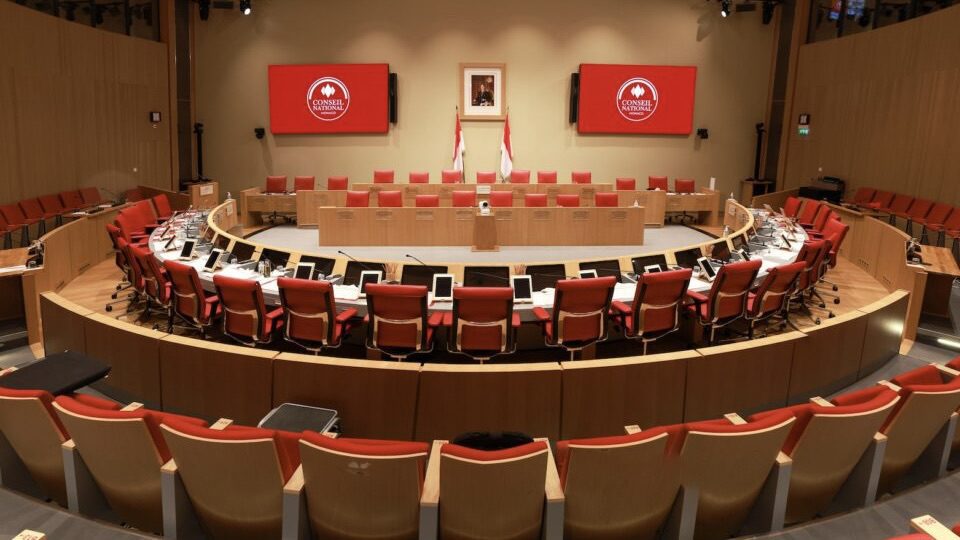
Monaco is set to tighten financial oversight of condominium management after the National Council unanimously approved new legislation requiring professional property trustees to open dedicated bank accounts for every co-owned building they manage.
The reform, adopted during the latest public legislative session, forms part of a broader effort by the Principality to modernise the legal framework governing condominium ownership and management. The new rules amend the 2007 law on co-ownership of built property and introduce stricter financial separation requirements for professional trustees operating in Monaco.
Under the legislation, each condominium association will now have its own individual bank account held within a Monaco-based banking institution. Until now, the obligation to maintain separate accounts applied only to volunteer trustees, while professional administrators were permitted to manage multiple properties through pooled accounts.
The government argued that extending the requirement to all trustees would improve financial transparency and offer stronger protection to co-owners. Separating funds building by building is expected to simplify accounting checks, ease transitions when trustees change, and reduce risks linked to insolvency by ensuring condominium funds remain isolated from the trustee’s own assets.
The bill was developed in consultation with the Chambre Immobilière Monégasque and received broad political backing in the National Council. Lawmakers described the measure as a significant step toward improving trust and accountability within Monaco’s property sector.
The reform will officially come into force on July 1, 2027. Existing professional trustees will then have a three-month transition period to comply with the new rules. Trustees failing to meet the requirements after that deadline risk seeing their mandates automatically cancelled.
During debates surrounding the legislation, wider concerns were also raised regarding the financial burden faced by residents in state-owned housing, particularly in relation to delayed service charge regularisations which can place pressure on household budgets.