
The Prince Albert II of Monaco Foundation has awarded a $100,000 Camp Monaco Prize to support scientific research aimed at protecting the fragile ecosystems of the Greater Yellowstone region in the United States…
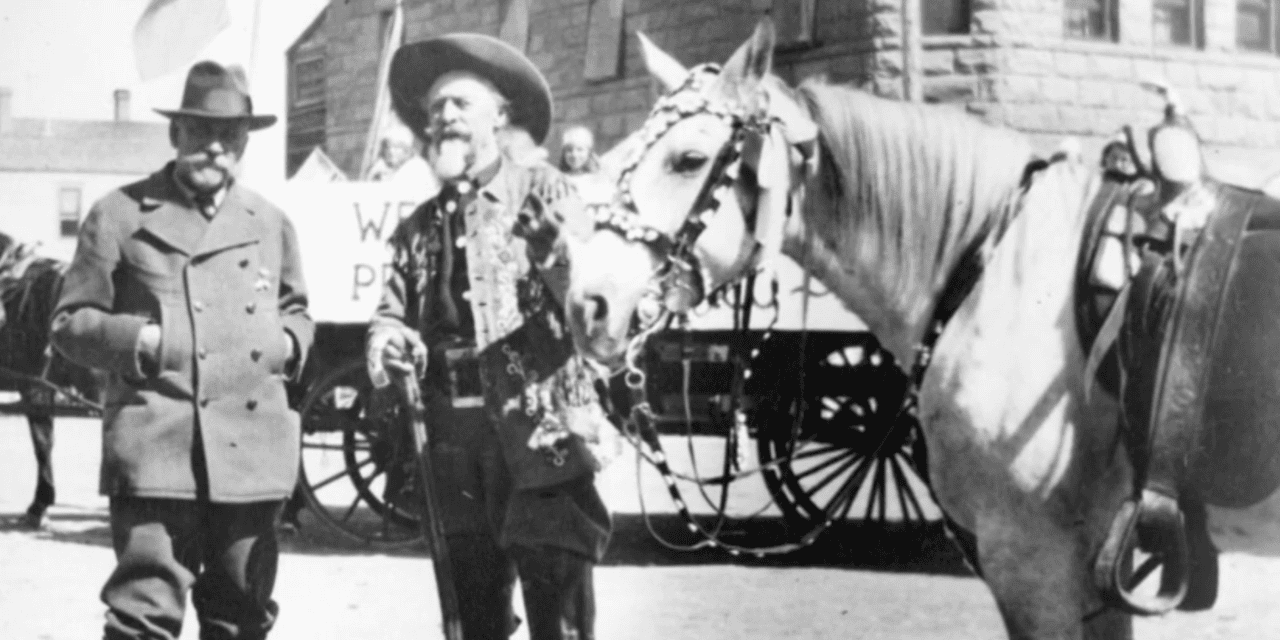
Presented every three years, the prize continues a long-standing scientific connection between Monaco and Wyoming that dates back to the expeditions of Prince Albert I more than a century ago. The latest funding will help researchers tackle the spread of Bromus tectorum, commonly known as cheatgrass, an invasive species that has spread across millions of hectares of the American West.
The plant germinates during winter, depletes soil moisture before native species can establish themselves and increases the risk of wildfires, creating significant challenges for wildlife and livestock alike.
Rather than relying on large-scale herbicide treatments, the research focuses on early detection using digital mapping technologies, whilst encouraging hikers, landowners and local communities to help identify new outbreaks before they become established.
Scientists say the techniques being developed could have applications far beyond Yellowstone, helping combat invasive grasses in dry regions around the world, including parts of Australia, Central Asia, South America and southern Africa.
The programme also reflects the Prince Albert II Foundation’s wider commitment to international environmental research, supporting projects that combine scientific innovation with practical conservation measures to protect vulnerable ecosystems in a changing climate.
Image: Monaco Info