
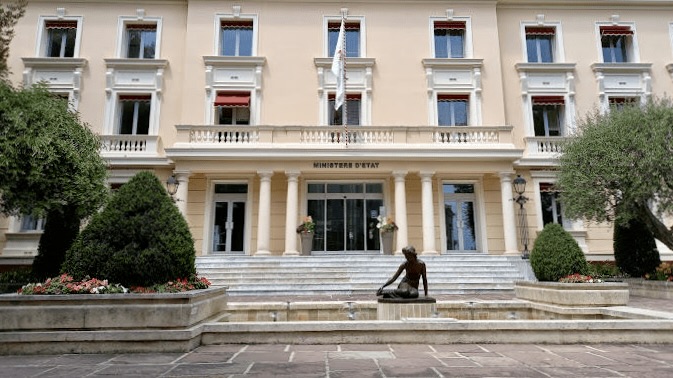
Thierry Lacoste, the former lawyer and long-time associate of His Serene Highness Prince Albert II, has filed a criminal complaint in France against former Minister of State Pierre Dartout, in connection with the long-running Esplanade des Pêcheurs case, after a similar complaint was dismissed in Monaco. Lacoste argues that Dartout’s request to have the Supreme Court’s ruling in that case reviewed rests on unfounded claims of fraud, calling the underlying allegations baseless.
The complaint was disclosed as part of a wider press conference held on Wednesday, July 8, and reported by Monaco-Matin, in which Lacoste appeared publicly alongside Claude Palmero, former administrator of the Princely Family’s assets, for the first time since the emergence of the so-called “Dossiers du Rocher” affair. The pair described themselves as targets of what they characterised as a judicial vendetta, with Lacoste framing his involvement as a matter of moral duty, arguing the case raises broader questions about institutional transparency and accountability in the Principality.
According to the Monaco-Matin report, both men pointed to a small group of individuals they hold responsible for their exclusion from the Sovereign’s inner circle in 2023, a reference that appeared to include real estate developer Patrice Pastor, whose own legal complaints, based on hacked emails attributed to Lacoste, first raised allegations against a so-called “G4” group accused of exploiting positions of influence in Monaco.
Good Morning Monaco ☀️
The day's Monaco news in your inbox every morning. Free, unsubscribe anytime.
Palmero’s own legal troubles were also addressed. His lawyer, Marie-Alix Canu-Bernard, suggested he could soon face a further high-profile round of questioning and potential charges, a claim Palmero used to argue that Monaco’s justice system operates unevenly, calling on French authorities in particular to ensure full transparency in his case.
Lawyers representing Prince Albert II rejected that framing. Cyril Bonan argued that a court declining to rule in Palmero’s favour is not evidence of a lack of judicial independence, maintaining that the Palace had been justified in distancing itself from individuals it says abused their positions of trust.
Palmero also used the press conference to confirm plans for a second book, titled “Manifesto Monaco,” following what he described as the success of his first book, “Monaco Interdit,” noting it had faced no legal complaints since publication. He said the new book would include roughly ten proposed reforms aimed at improving governance in the Principality, with his lawyer Pierre-Olivier Sur pointing specifically to Article 88 of the Constitution, which vests judicial authority in the Sovereign, as a starting point.
Asked about his political ambitions, Palmero said he has no intention of seeking political leverage.