The 2026 edition of the Monaco Grand Prix will become the first race of the Formula 1 season to operate without the championship’s newly introduced straight-line aerodynamic assistance system.
Formula 1’s updated regulations for 2026 introduced active aerodynamics on both the front and rear wings, allowing cars to reduce drag on straights through what teams have referred to as “straight mode”. The technology was developed alongside the sport’s new power units, which now split performance more evenly between electric energy and traditional combustion power.
Unlike the former DRS system, which only opened the rear wing when drivers were within a certain distance of a rival, the new setup forms part of a broader aerodynamic package designed to improve efficiency and overtaking opportunities across the calendar.
Good Morning Monaco ☀️
The day’s Monaco news in your inbox every morning. Free, unsubscribe anytime.
🔒 We won’t spam you or sell your data. Changed your mind? Unsubscribe with one click at the bottom of any email.
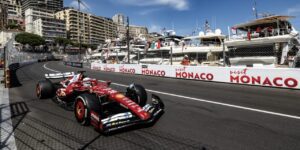
However, Monaco will remain an exception. The official circuit configuration published ahead of the race weekend confirms there will be no designated straight mode activation zones around the streets of Monte-Carlo, meaning drivers will not be able to deploy the drag-reduction feature during the race.
The decision reflects the unique nature of Monaco’s narrow and winding street circuit, where opportunities for sustained high-speed running remain extremely limited. Under previous regulations, DRS was only available on the start-finish straight, while safety concerns prevented its use through the tunnel section.
Although straight mode will not be active, Formula 1’s overtaking assistance system remains partially in place for Monaco. Detection for the overtake mode is expected before the Rascasse corner, with activation positioned on the short run towards the final turn at Anthony Noghès.
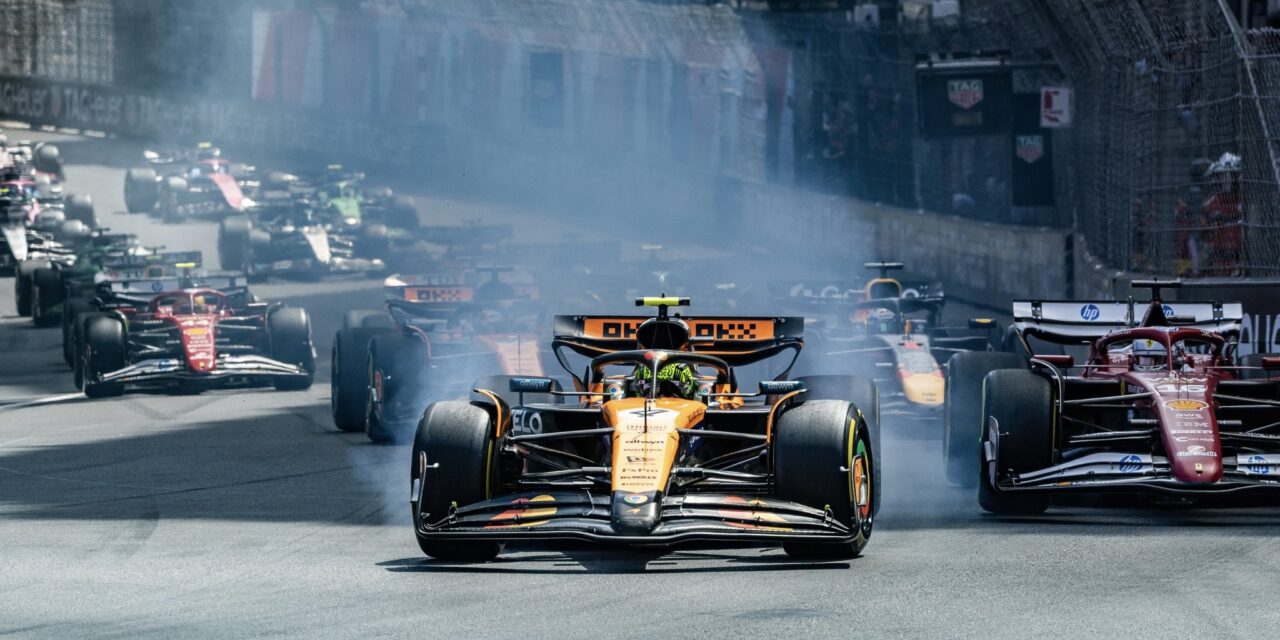
The Principality’s circuit has long posed a challenge for overtaking despite multiple technical regulation changes over the years, with track position and qualifying performance traditionally playing a decisive role in the outcome of the race. The move ensures Monaco retains its distinctive approach within Formula 1’s evolving technical landscape.