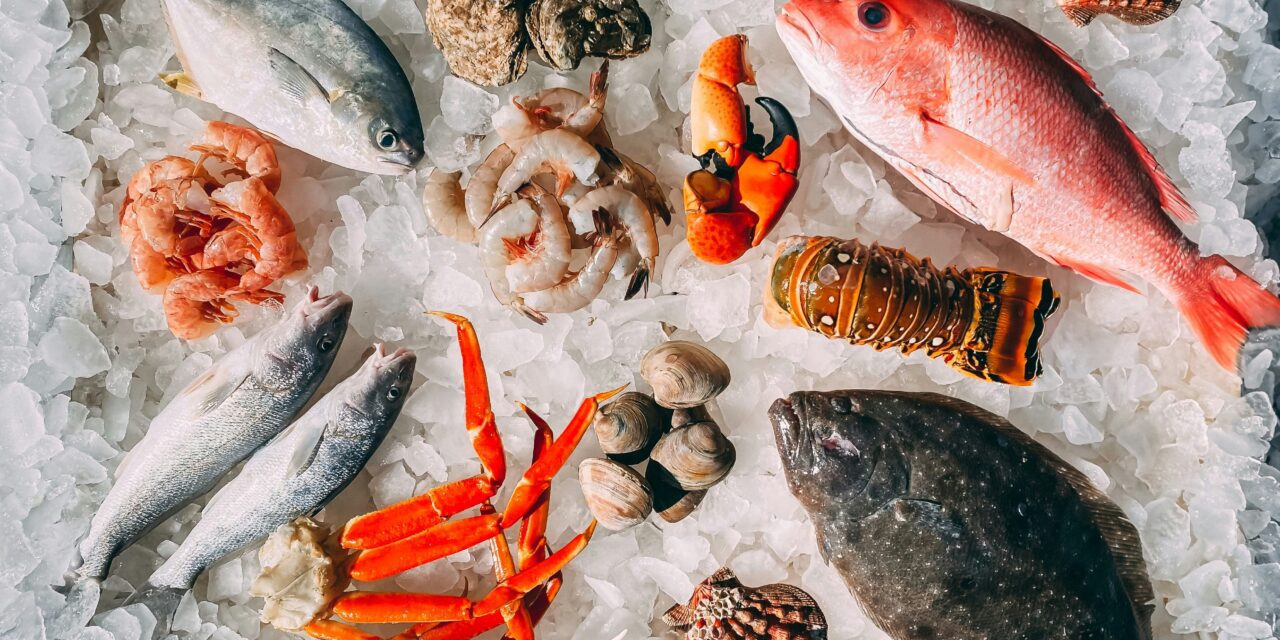
The future of global food security was a key topic at the Blue Economy and Finance Forum in Monaco, where experts highlighted the growing importance of “Blue Food”, the marine resources that help feed billions of people around the world…
The term encompasses fish, shellfish, crustaceans, seaweed and aquaculture products, all of which are playing an increasingly vital role in global food systems. Participants stressed that as the world’s population approaches 10 billion by 2050, meeting future demand for seafood will depend largely on the expansion of aquaculture.
However, speakers warned that this growth must be carefully managed. While aquaculture offers significant opportunities to improve food security and create economic value, it can also have impacts on biodiversity, ecosystems and human rights if not developed responsibly.
Good Morning Monaco ☀️
The day’s Monaco news in your inbox every morning. Free, unsubscribe anytime.
🔒 We won’t spam you or sell your data. Changed your mind? Unsubscribe with one click at the bottom of any email.
A panel of international specialists gathered at the Grimaldi Forum to examine how sustainable aquaculture and improved fisheries management can help balance environmental, social and economic priorities. Discussions focused on the need to connect financial investment with measurable environmental outcomes and long-term sustainability goals.
Experts also highlighted the sector’s broader economic importance, noting that sustainable marine food production supports hundreds of millions of jobs worldwide, from fishing communities and aquaculture farms to supply chains, retailers and investors.
The consensus was clear: Blue Food will be central to feeding a growing global population while reducing pressure on natural resources and supporting a more sustainable blue economy.
Image: Mike Bergmann