
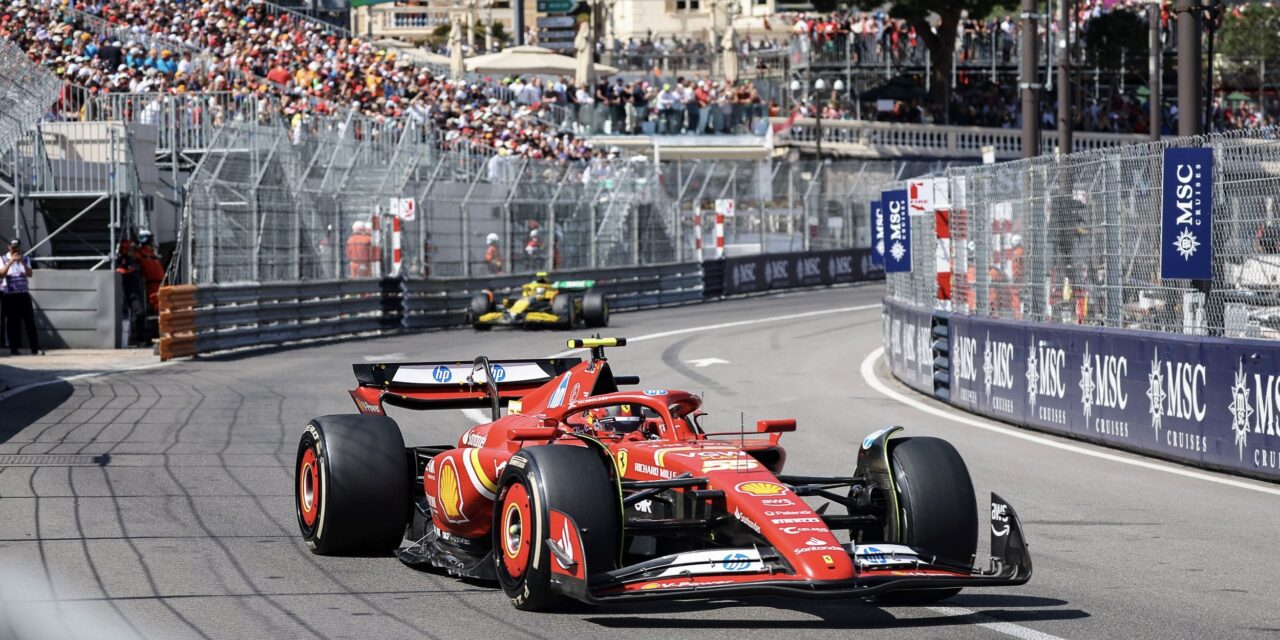
Formula 1 has confirmed that the mandatory two-stop requirement introduced at last year’s Monaco Grand Prix will not return in 2026, restoring the Principality’s race to its traditional strategic format. The decision, approved by the FIA World Motor Sport Council as part of the finalized 2026 sporting regulations, follows widespread debate over the impact of the experimental rule.
The regulation, introduced for the 2025 edition, required drivers to use three different tyre sets in an effort to force at least two pit stops on a circuit where overtaking is notoriously limited. While intended to add unpredictability, the outcome divided opinion. Some teams were able to use team tactics to manage race pace and create pit windows, leading to criticism that the spectacle had been shaped more by orchestration than on-track competition.
After further internal discussions, the Monaco-specific clauses have now been removed from the 2026 rulebook. Teams will once again be free to determine their own strategy, placing the focus back on qualifying performance and race execution rather than mandated tyre usage.
Elsewhere in the regulations, Q3 in qualifying will be extended from 12 to 13 minutes starting next season. The change coincides with Cadillac’s arrival as Formula 1’s 11th team, bringing the grid to 22 cars. With the expanded field, six drivers will be eliminated in both Q1 and Q2.
The FIA has also decided against making cooling vests compulsory during officially declared heat hazards. Introduced after the physically demanding 2023 Qatar Grand Prix, the cooling system will remain available but optional. Drivers who opt not to wear the vest must compensate for the weight difference with cockpit ballast. The additional ballast allowance remains at 5kg for races and sprints, and 2kg for qualifying sessions.
For Monaco, the adjustment simply means the Grand Prix will proceed under the same strategic rules as the rest of the calendar in 2026. Whether that leads to a more compelling race remains to be seen, but the debate over how best to shape competition in Monte Carlo is unlikely to disappear any time soon.
Image courtesy of ACM