
Investors, bankers and economists gathered in Monaco this week for the annual ACI Conference, hosted by the Association Cambiste Internationale (ACI), to dissect one pressing question: how should financial markets respond to a world increasingly shaped by geopolitical tension and economic militarisation?
With wars, trade conflicts and energy crises reshaping the global landscape, experts agreed on one point — volatility is no longer the exception, but the baseline.
Speakers outlined a complex risk map: inflation remains a looming threat in the United States just as the Federal Reserve appears ready to ease rates, while Europe finds itself in a more advantageous position thanks to softer price pressures. Asia, meanwhile, faces its own fragilities, with China still grappling with unsustainable debt levels.
Against this backdrop, investors must rethink their playbook. “There is no single solution,” one expert warned. “Everything depends on the client, the risk profile and long-term vision.” The prevailing advice? Stay calm, diversify and invest with foresight, particularly in sectors like energy, technology and defence, which continue to attract resilient capital.
But beyond spreadsheets and strategies, the message carried a strategic undertone: today’s markets can no longer be separated from military and political realities. Economic power now runs parallel to defence capability.
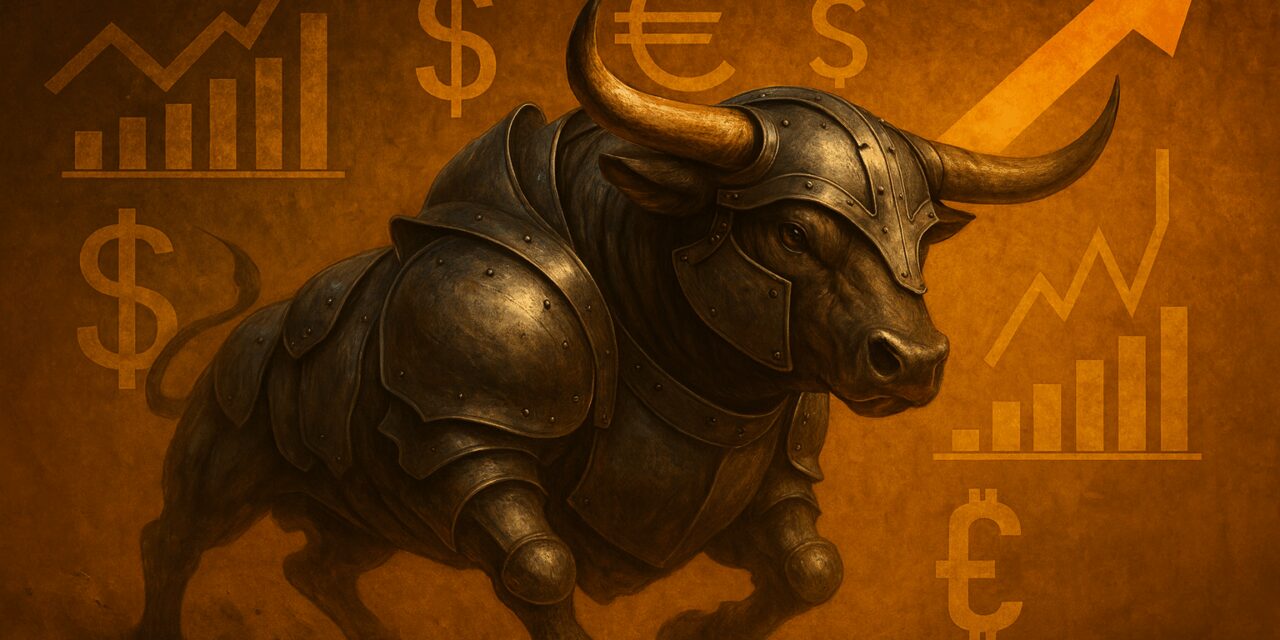
In this “new normal,” financial prudence requires more than caution, it demands readiness. As one speaker put it bluntly: “In a more uncertain world, investors must be armed.”