
In Monaco, Christmas traditions are not only cherished, they are shared…
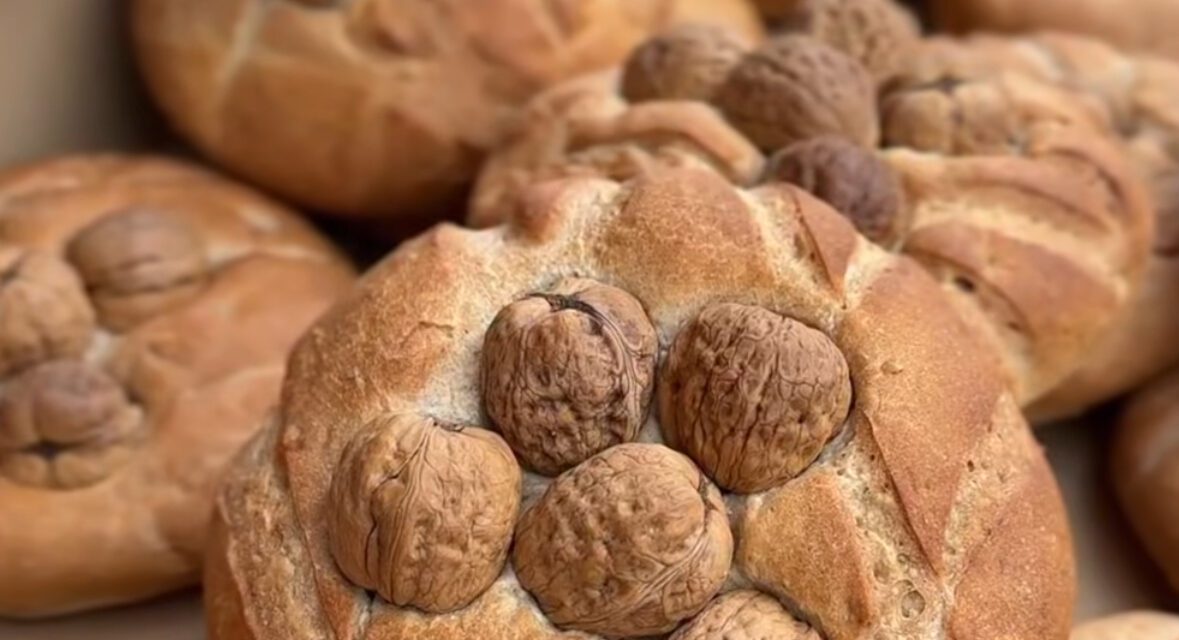
One of the most symbolic is the pan de Natalé, a small round bread decorated with five walnuts arranged in the shape of a cross, and deeply rooted in the Principality’s history. Dating back to the Genoese era in the 18th century, this humble loaf once embodied solidarity as much as faith.
Traditionally baked with local flour and olive oil, the pan de Natalé was prepared in communal ovens before being blessed with an olive branch at home or during midnight Mass on Christmas Eve. Families would share it together, with any leftovers given to those in need the following day, a simple but powerful gesture of generosity.
In recent years, the tradition has been revived by the National Committee of Monegasque Traditions, keen to preserve customs that form the backbone of Monaco’s cultural identity. As committee members often stress, traditions and language are what allow a nation’s heritage to endure across generations.
At the Condamine Market, residents once again gathered around the committee’s stand to buy the festive bread, knowing that proceeds go to local charitable associations. For many, purchasing a pan de Natalé is as much about giving as it is about remembering, a way to mark Christmas while supporting those less fortunate.
Both religious and social, the pan de Natalé remains a small loaf with a big meaning. The tradition continues this week, with the committee’s stand returning to the Condamine Market for those wishing to take part.