
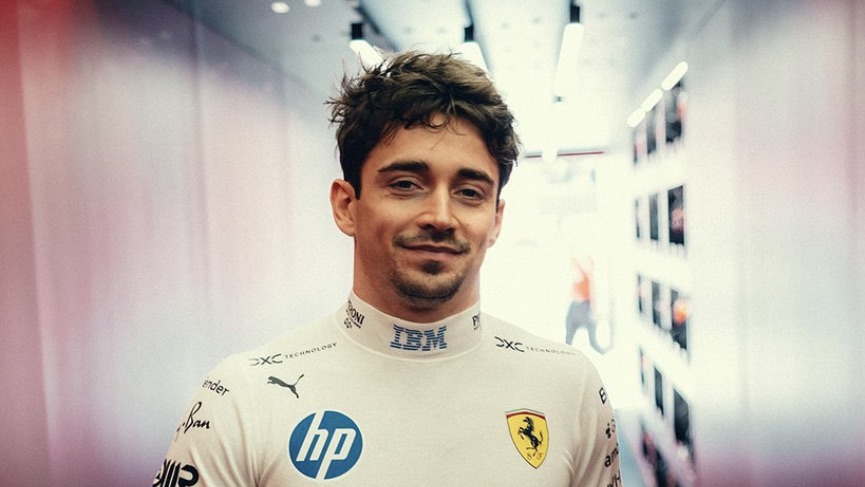
Monaco’s own Charles Leclerc has acknowledged that Formula 1’s new 2026-generation cars are not the most enjoyable he has driven, but says he is discovering a different kind of satisfaction in mastering the sport’s sweeping technical overhaul.
The upcoming season introduces entirely new chassis and power unit regulations, fundamentally altering the way drivers approach a lap. Increased reliance on energy harvesting, lift-and-coast techniques and strategic deployment has significantly raised the mental workload in the cockpit. The result is a driving style that is more calculated and system-focused than in previous years.
While some drivers have expressed reservations about the changes, with reigning world champion Max Verstappen describing the new cars as less intuitive, Leclerc has taken a more measured stance.
“It’s not the most fun I’ve had driving a car,” he admitted recently, “but I find the fun in a different way.”
For the Ferrari driver, the challenge lies in understanding and optimising the complex new systems. Rather than relying purely on instinct and aggression, drivers must now think continuously about energy usage, deployment strategy and overall system management while navigating each corner.
There are, however, elements Leclerc appreciates. The lighter weight of the 2026 cars has made them more agile and responsive. He has noted that the improved balance allows him to push the car closer to his preferred oversteer setup, something that was more difficult to manage in heavier previous-generation machinery.
“The weight, you can definitely feel it,” Leclerc explained, adding that the rear of the car feels more alive and adjustable.
Where concerns remain is overtaking. The removal of DRS and its replacement with an energy-based overtake mode means passing now carries a more significant strategic cost. Deploying additional power depletes stored energy, making it harder to sustain pace afterwards. Leclerc has suggested that overtaking currently appears more challenging than before, particularly in testing conditions.
He also anticipates unpredictability at race starts, as the revised power unit configuration — notably without the MGU-H component — changes the operational dynamics at lights out. With so many unknowns, the early rounds of the season may bring surprises.
Despite the complexities, Leclerc appears energised by the intellectual aspect of the transition. For a driver accustomed to extracting marginal gains, the 2026 regulations present a new technical puzzle rather than a setback.
As Formula 1 enters this new era, Monaco’s leading motorsport figure is preparing not only to adapt, but to compete at the front of a field still finding its balance in what he openly expects could be a season of controlled chaos.